
Z-Image Prompt Mastery: 10 Advanced Prompts to Unleash the Next-Generation Image Model
Z-Image Prompt Mastery: 10 Advanced Prompts to Unleash the Next-Generation Image Model
The release of Z-Image, particularly its optimized variant Z-Image Turbo, has sent a seismic shockwave through the AI image generation community. No longer is image synthesis a slow, VRAM-intensive struggle; the Z-Image Turbo model delivers blazing-fast results without compromising on quality. It’s an inflection point, often compared to the leap from SD 1.5 to SDXL, but with a speed that redefines what’s possible on consumer hardware. But owning the power of Z-Image is only half the battle. The true mastery lies in knowing how to communicate with this next-generation model.
Z-Image isn’t just faster; it is fundamentally smarter. Its superior prompt adherence and understanding of intricate visual concepts mean that the generic, keyword-stuffed prompts of the past will severely underutilize its capabilities. To truly unlock the photorealistic detail, complex composition, and nuanced lighting that Z-Image Turbo is capable of, you need a new prompting philosophy.
This extensive guide provides you with a comprehensive framework for Z-Image prompt mastery, culminating in 10 advanced, high-value prompts specifically engineered to push the Z-Image Turbo model to its limit. We will explore why Z-Image excels where others falter and how to structure your prompts to get consistent, breathtaking results that only the Z-Image engine can deliver.
The Z-Image Advantage: Why Prompting is Different Now
Before diving into the prompts, it’s essential to understand the core technical differences that make prompting for Z-Image a unique experience.
Traditional models often struggled with prompt adherence, forcing users to rely on excessive weighting or creative negative prompts to keep the generated image faithful to the text. The Z-Image Turbo architecture, with its smaller parameter count and highly efficient text encoder, appears to have solved this problem. The result? Z-Image interprets descriptive, sentence-like prompts with far greater fidelity.
- Superior Prompt Adherence: Z-Image accurately places objects and understands relative positions, making complex scene descriptions viable. This means your Z-Image prompt can be a narrative, not just a list of keywords.
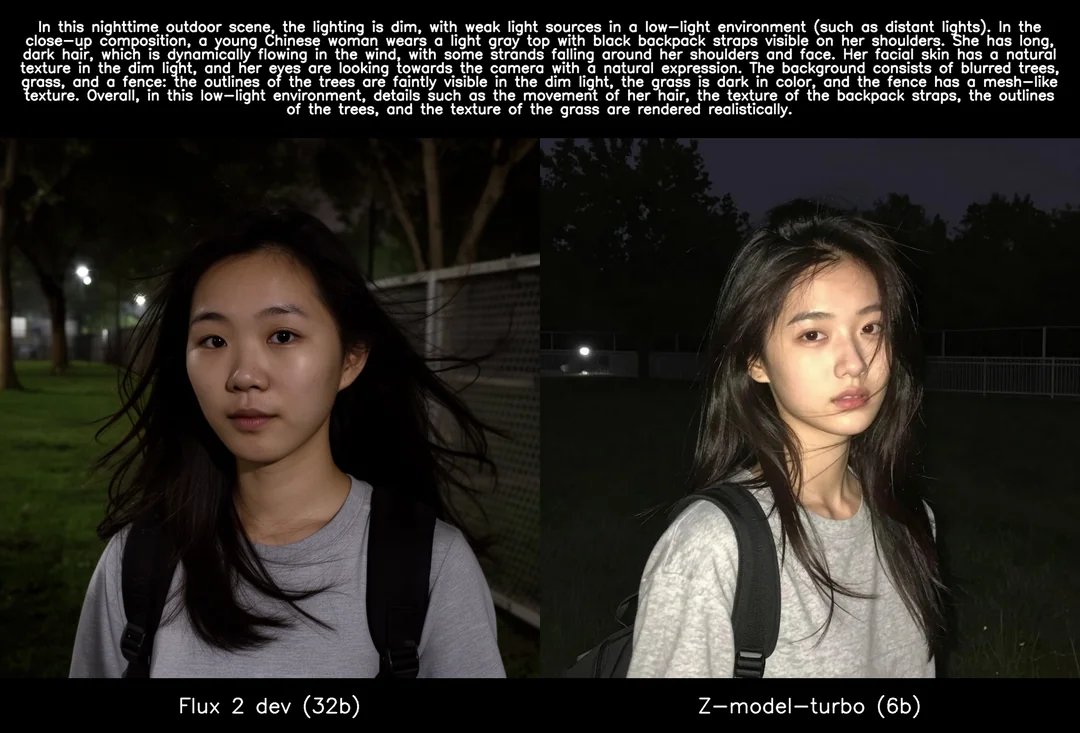
- Exceptional Realism and Texture: Community feedback consistently praises Z-Image for its photorealistic quality, often noting a lack of the “plastic look” common in other high-speed models. This is particularly true when you use specific material and lighting descriptors in your Z-Image prompts.
- Anatomy Correction: A notorious pain point in AI generation—hands and fingers—is significantly improved in Z-Image. A well-crafted Z-Image prompt detailing an action involving hands is now far more likely to succeed.
- Speed and Iteration: The sheer speed of Z-Image Turbo allows for a rapid prototyping workflow. You can test and refine a dozen variations of a single Z-Image prompt in the time it used to take for one. This iterative approach is the fastest way to master the Z-Image engine.
This power of rapid iteration is what makes the Z-Image model a true breakthrough. You are no longer penalized for trying highly specific or complex Z-Image prompts.
Section I: The Anatomy of a High-Quality Z-Image Prompt
A great Z-Image prompt is built in layers, moving from the broad concept to the minute technical details.
1. Subject and Action (The Core Z-Image Focus)
Start with the who and what. Be highly specific. Z-Image can handle complexity, so don’t be vague.
- Bad: A girl running in a forest.
- Good for Z-Image: A 22-year-old Scandinavian woman with auburn hair, dressed in a distressed leather jacket, sprinting through a dense, fog-covered ancient redwood forest. Her expression is one of desperate determination.
2. Style, Medium, and Lens (Setting the Z-Image Aesthetic)
This section tells the Z-Image model the artistic context. This is where you prevent the generic “AI look” and force the Z-Image model towards a specific artistic vision.
- Examples: Cinematic still from a 1980s sci-fi film, hyper-detailed oil painting on canvas by Zdislav Beksinski, concept art by Syd Mead, hyperrealistic photo shot on a Hasselblad X1D.
- The Z-Image Turbo model excels at texture, so specifying the medium is crucial.
3. Lighting and Atmosphere (Z-Image’s Secret Weapon)
Lighting is perhaps the single most important component for photorealism in Z-Image. Because Z-Image understands lighting so well, neglecting this step means missing out on the model’s greatest strength.
- Examples: Volumetric lighting, rim light, golden hour, deep chiaroscuro, high-key studio lighting, atmospheric fog, Z-Image studio portrait light.
4. Technical and Quality Parameters (The Z-Image Polish)
These final terms push the Z-Image output to maximum fidelity.
- Examples: 8K resolution, incredibly detailed, cinematic composition, depth of field, Z-Image realism engine, highly detailed skin texture, award-winning photography, Z-Image Turbo quality.
By breaking down your requests into these four categories, you are speaking the language that the Z-Image text encoder understands best. This structured approach is what separates a novice Z-Image user from a master Z-Image pro.
Section II: The 10 Z-Image Power Prompts Collection
The following 10 prompts are designed to serve as both inspirational starting points and detailed technical showcases of the Z-Image Turbo model’s capabilities. Each prompt targets a specific weakness of previous models and demonstrates the new power of Z-Image.
1. The Hyper-Realism and Texture Test
This prompt focuses on the superb textural detail and lighting engine within Z-Image.
Prompt: A hyper-detailed photograph of an elderly fisherman with sun-worn, wrinkled skin, sitting on a weathered wooden dock at sunset. He is holding a freshly caught fish, the scales reflecting the orange sun with incredible detail. Cinematic rim lighting, deep shadows, 8K, shot on a Leica M10. --ar 16:9
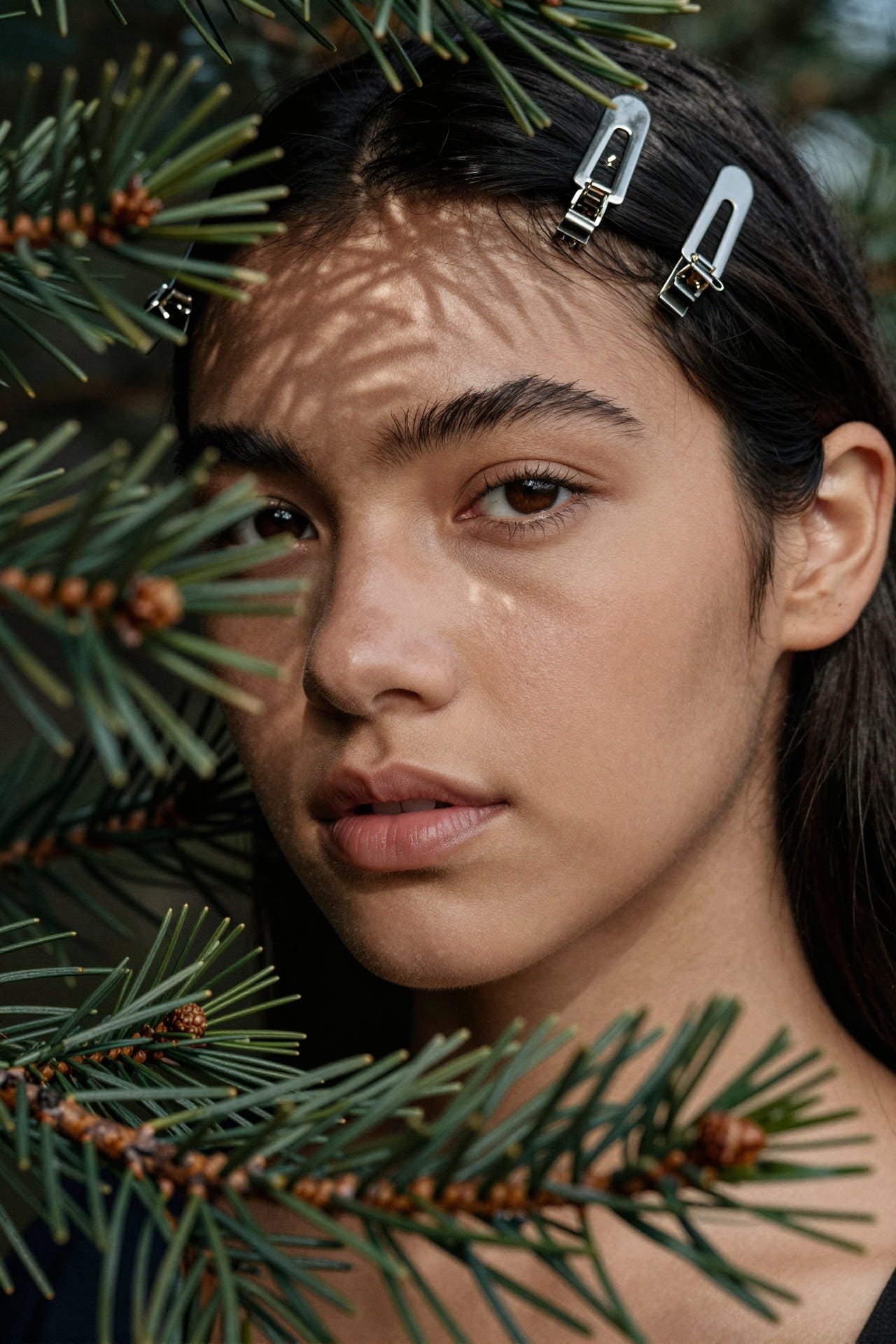
- Z-Image Focus: Z-Image Turbo handles complex skin texture and metallic reflections better than almost any other model, especially with the specified cinematic lighting. This prompt is a direct challenge to the photorealism of Z-Image.
2. The Complex Composition and Contrast Challenge
This prompt tests the Z-Image model’s ability to maintain distinct elements and a sharp dividing line, validating its improved prompt adherence.
Prompt: A split-image composition: on the left, a dense, rain-slicked cyberpunk cityscape at night with complex neon reflections; on the right, a serene, sun-drenched Japanese zen garden with a single cherry tree in full bloom. The dividing line is sharp and clean. Intricate detail, **Z-Image Turbo** realism, **Z-Image** prompt adherence test.
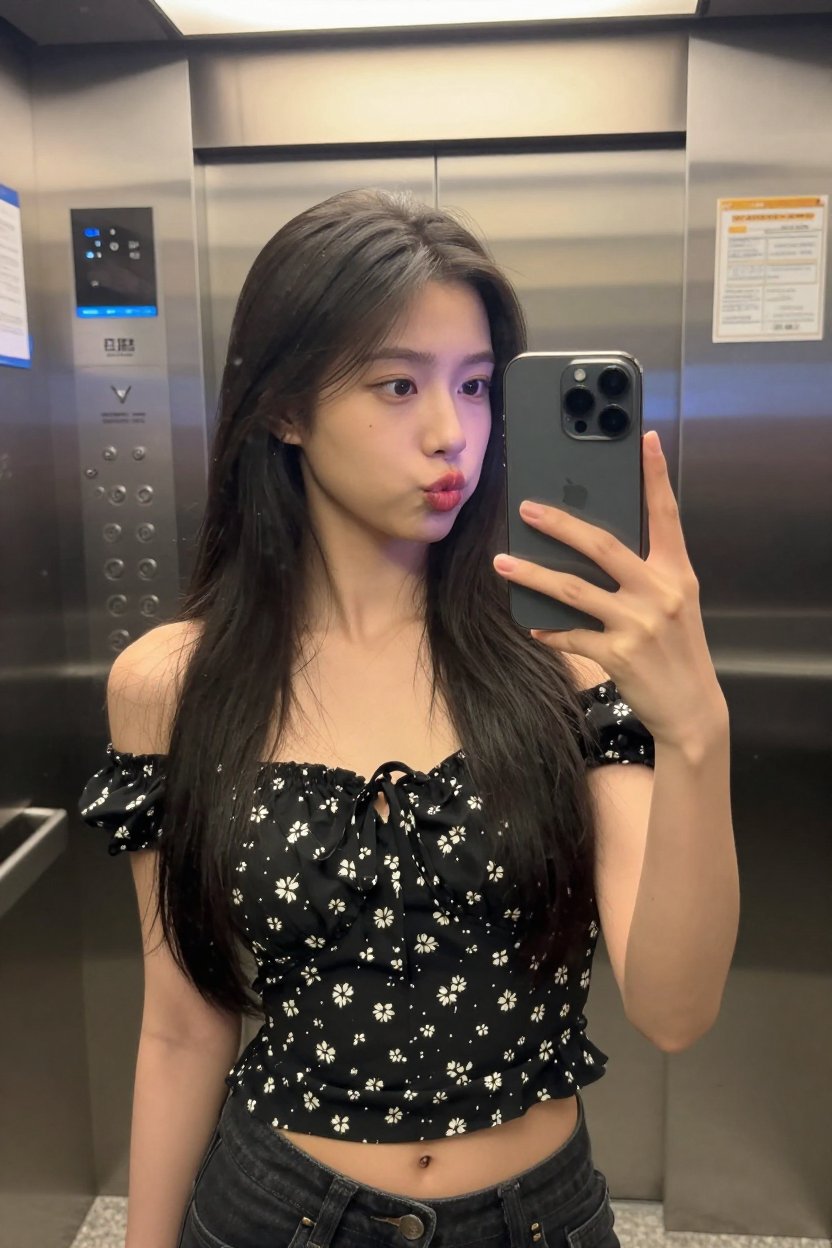
- Z-Image Focus: Previous models struggled to keep two disparate scenes perfectly separated. Z-Image’s precision text encoder makes this dual-concept composition possible.
3. The Challenging Anatomy and Action Test
A classic struggle, the detail of human hands, is now manageable with Z-Image. This prompt pushes the model on fine anatomical detail.
Prompt: A close-up, dramatic portrait of a woman in a deep blue velvet dress, focused on her hands as she gently holds three glowing glass orbs. The intricate detail of her fingers and knuckles is perfectly rendered. Backlit, moody atmosphere, renaissance oil painting style, **Z-Image** anatomy correction, volumetric light.
- Z-Image Focus: This is a litmus test for Z-Image’s improved anatomy. The Z-Image engine should render the hands naturally, without distortion, which is a massive leap forward.
4. The Z-Image Macro-Detail and Material Prompt
Leveraging the model’s textural excellence, this prompt demands microscopic fidelity.
Prompt: Extreme close-up macro shot of a single perfect droplet of morning dew resting on a thick, moss-covered stone. Extreme shallow depth of field, natural softbox lighting, showcasing the texture of the moss and the reflection of the sun within the water drop. Unbelievably detailed **Z-Image** rendering.
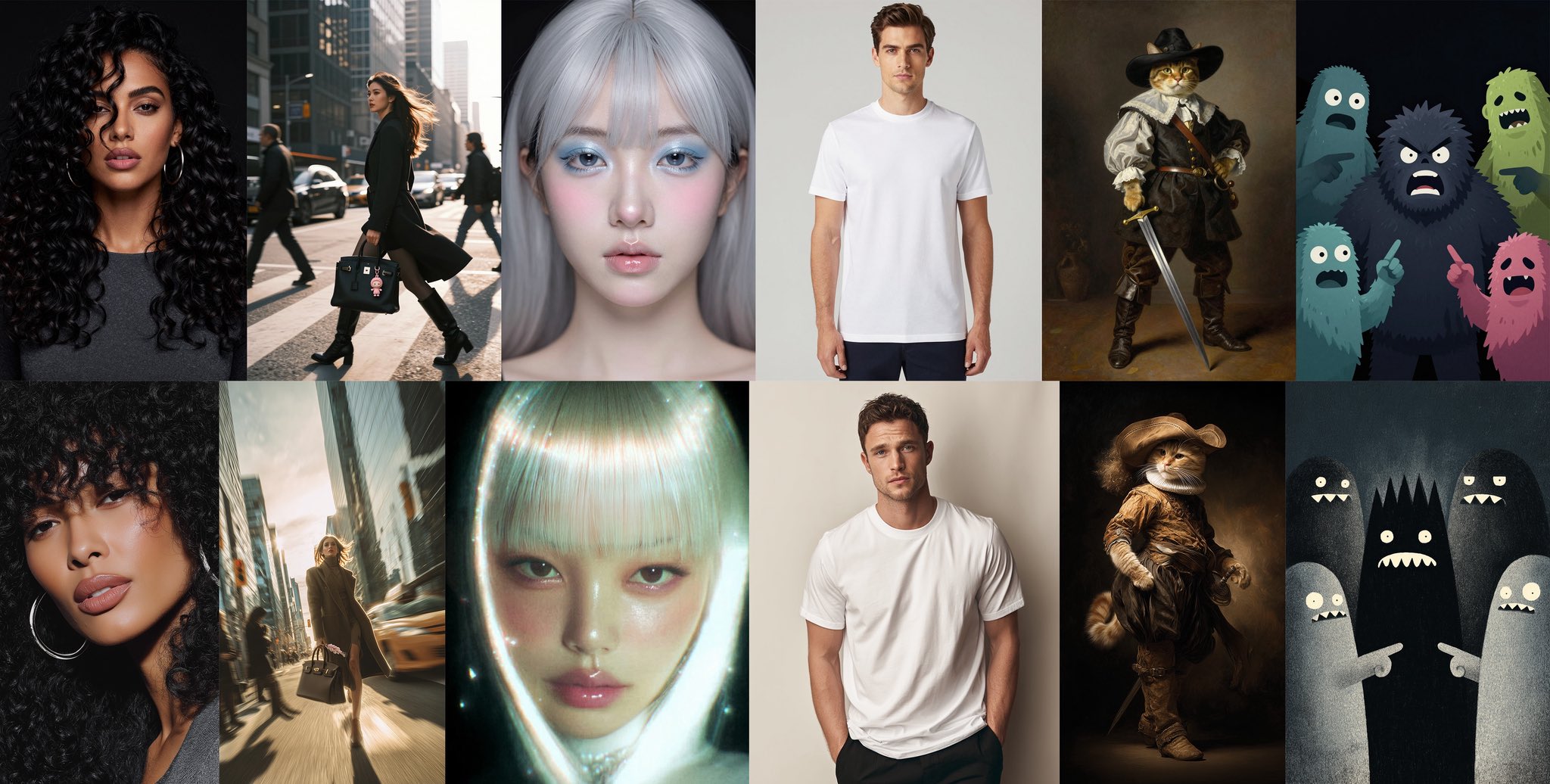
- Z-Image Focus: The ability of Z-Image to render accurate micro-surfaces, like moss and the refraction of light in water, is exceptional. This prompt maximizes that textural realism in the Z-Image Turbo output.
5. The Low-Step Speed and Quality Test
This prompt is simple yet high-quality, meant to be run at a minimal step count (e.g., 4 or 6 steps) to showcase the rapid synthesis capability of Z-Image Turbo.
Prompt: A lone astronaut standing on the rugged surface of Mars, looking up at Earth visible in the black sky. Wide-angle shot, photorealistic, cinematic composition, **Z-Image Turbo** speed test. --steps 4
- Z-Image Focus: The goal is high fidelity in under 5 seconds. The distillation inherent in Z-Image Turbo means you can achieve stunning quality at extremely low step counts, making rapid prototyping on Z-Image revolutionary.
6. The Historical Film Noir Style Prompt
This focuses on high contrast and stylistic adherence, areas where Z-Image shines due to its lighting comprehension.
Prompt: A 1940s film noir detective in a trench coat standing in a smoke-filled, dimly lit, cluttered office. Strong, dramatic chiaroscuro lighting, high contrast, black and white, shot on vintage 35mm film stock. **Z-Image** stylistic adherence.
- Z-Image Focus: The Z-Image model’s understanding of dramatic, high-contrast lighting is a major highlight, enabling true Film Noir aesthetics that feel authentically shot on film.
7. The Abstract Concept Visualizer
Testing Z-Image on its ability to translate abstract ideas into coherent, visually arresting digital art.
Prompt: The visual representation of a complex algorithm solving the liar's paradox. Abstract digital art, glowing geometric forms, interwoven paths of light, deep blue, gold, and orange color palette, heavy volumetric lighting, octane render, **Z-Image** concept fidelity.
- Z-Image Focus: Z-Image’s prompt engine excels at conceptual translation, delivering visual coherence even when the subject is highly abstract. This tests the model’s creative interpretation of the Z-Image prompt.
8. The Cinematic Epic Scale Prompt
A prompt designed to fill the frame with dynamic action and environmental detail.
Prompt: An immense Viking longship battling a massive, terrifying storm on a turbulent, deep green sea. Dynamic water splash and foam effects, lightning in the sky, low-angle shot, epic scale, cinematic matte painting, **Z-Image** environmental detail.
- Z-Image Focus: Z-Image Turbo handles large-scale scenes and complex physics (like turbulent water) with better detail preservation than predecessor models. The Z-Image rendering is sharp across the entire frame.
9. The Text Generation and Detail Prompt
Though often difficult for AI, Z-Image shows improvement. This prompt specifically requires text to be correctly rendered.
Prompt: A vintage-style neon sign, glowing with electric blue and crimson light, that clearly and correctly displays the words "Z-IMAGE TURBO" in a retro-futuristic font. Rainy street background, focused light source, 8K detail, **Z-Image** text comprehension.
- Z-Image Focus: Success here validates the superior text comprehension capabilities of Z-Image’s text encoder. While never perfect, Z-Image is a step up.
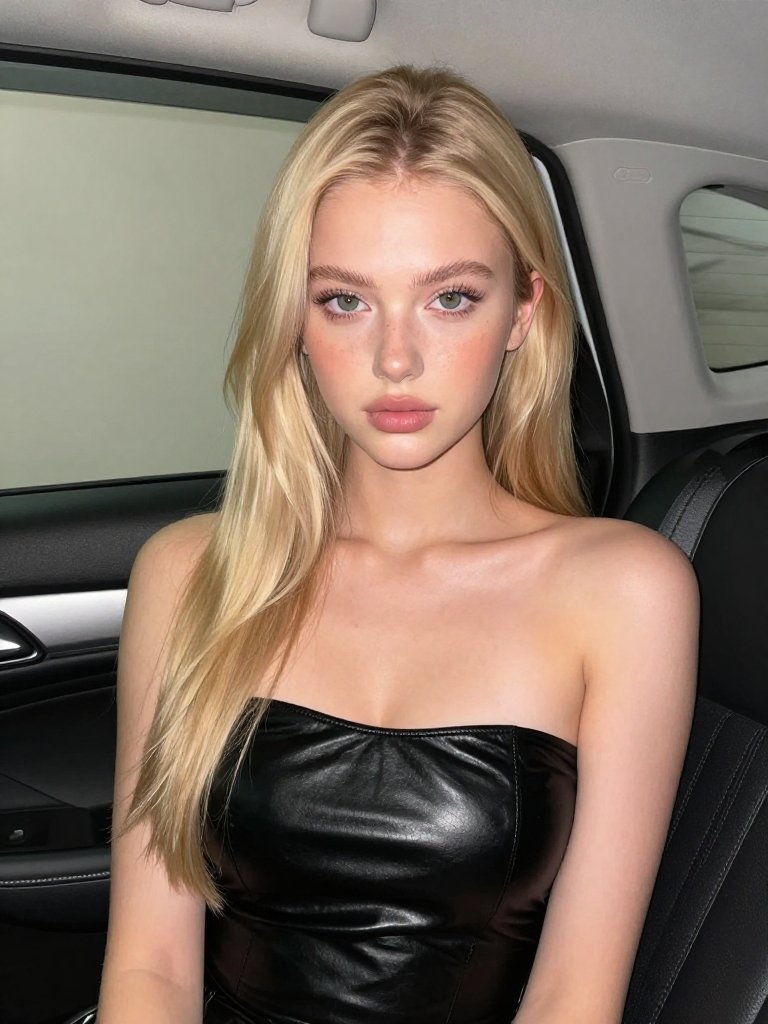
10. The Uncensored and Whimsical Sculpture Prompt
Acknowledging the model’s training data, this prompt focuses on intricate, imaginative detail.
Prompt: A whimsical, highly detailed sculpture of a mythical beast—part griffin, part clockwork mechanism—constructed entirely from polished bronze gears, brass tubing, and recycled clock components. Displayed on a minimalist pedestal in a stark, brightly lit gallery. Steam-punk aesthetic, **Z-Image** micro-detail.
- Z-Image Focus: Z-Image allows artists to explore creative avenues with highly specific and detailed instructions without the restrictive filters found in other tools. This unleashes the full creative potential of the Z-Image model.
Section III: Advanced Z-Image Prompting Strategies and Resources
To truly become a Z-Image master, you must move beyond the basic prompts and embrace advanced techniques.
Weighting and Emphasis in Z-Image
While Z-Image has fantastic prompt adherence, weighting is still a crucial tool for fine-tuning. Most Z-Image users employ parentheses to assign attention to specific keywords, pushing the model’s focus. For example: (A high-contrast photo:1.3) of a woman and (a small, glowing orb:1.5) tells Z-Image to place significantly more emphasis on the glowing orb. Mastering this subtle language is key to differentiating your Z-Image output.
The Power of Negative Prompts with Z-Image
With the Z-Image Turbo model, the negative prompt is less about correcting fundamental errors (like bad anatomy) and more about refining the aesthetic. Use negatives to remove styles or textures you dislike.
- Common Z-Image Negative Additions:
blurry, jpeg artifacts, low quality, cartoon, plastic skin texture, watermark, signature. - Specific Negative for Z-Image: If your Z-Image output looks too much like a painting, add
painting, canvas, brushstrokesto the negative prompt.
The Community and Prompt Repositories
The best way to stay ahead of the curve is to constantly observe what others are achieving with Z-Image. Prompt engineering is an evolving art form, and new discoveries about the Z-Image model are being made daily. The speed of Z-Image Turbo means the community is innovating faster than ever before.
For those looking to accelerate their learning and explore thousands of community-tested prompts across various models, including an ever-growing repository of cutting-edge Z-Image prompts, having a dedicated resource is invaluable. You can find curated, high-performing prompts that fully exploit the capabilities of Z-Image for any style you can imagine. For an incredible selection of prompts and guidance across the entire spectrum of generative AI, make sure you explore comprehensive platforms like Bananaprompts. A quality prompt resource helps you jump straight to high-quality outputs with the Z-Image model, saving you countless hours of trial and error. Utilizing a high-quality, comprehensive prompt database can drastically reduce the time needed to master the Z-Image Turbo engine.
Conclusion: The Future is Fast, and It’s Z-Image
Z-Image is not just another step in AI image generation; it’s a giant leap forward. Its unprecedented combination of quality, small size, and breathtaking speed—made possible by the efficiency of Z-Image Turbo—means that the bottleneck has officially shifted from the hardware to the imagination of the user. The Z-Image model finally gives weight to highly descriptive and complex prompting.
David
Founder of Banana Prompts. Passionate about AI and technology. Exploring the boundaries of generative models and sharing insights with the community.